
Kaleidoscope vision describes a vision change that causes you to see things as if you were looking through a kaleidoscope. It usually doesn’t last long.. Sounds like a delicious outcome. When are eye floaters a cause for concern? If you have an eye injury and suddenly see floaters you should contact your optometrist immediately as this could be an indication of a detached retina. In Conclusion Are halos, rainbows, or floaters in your vision serious?
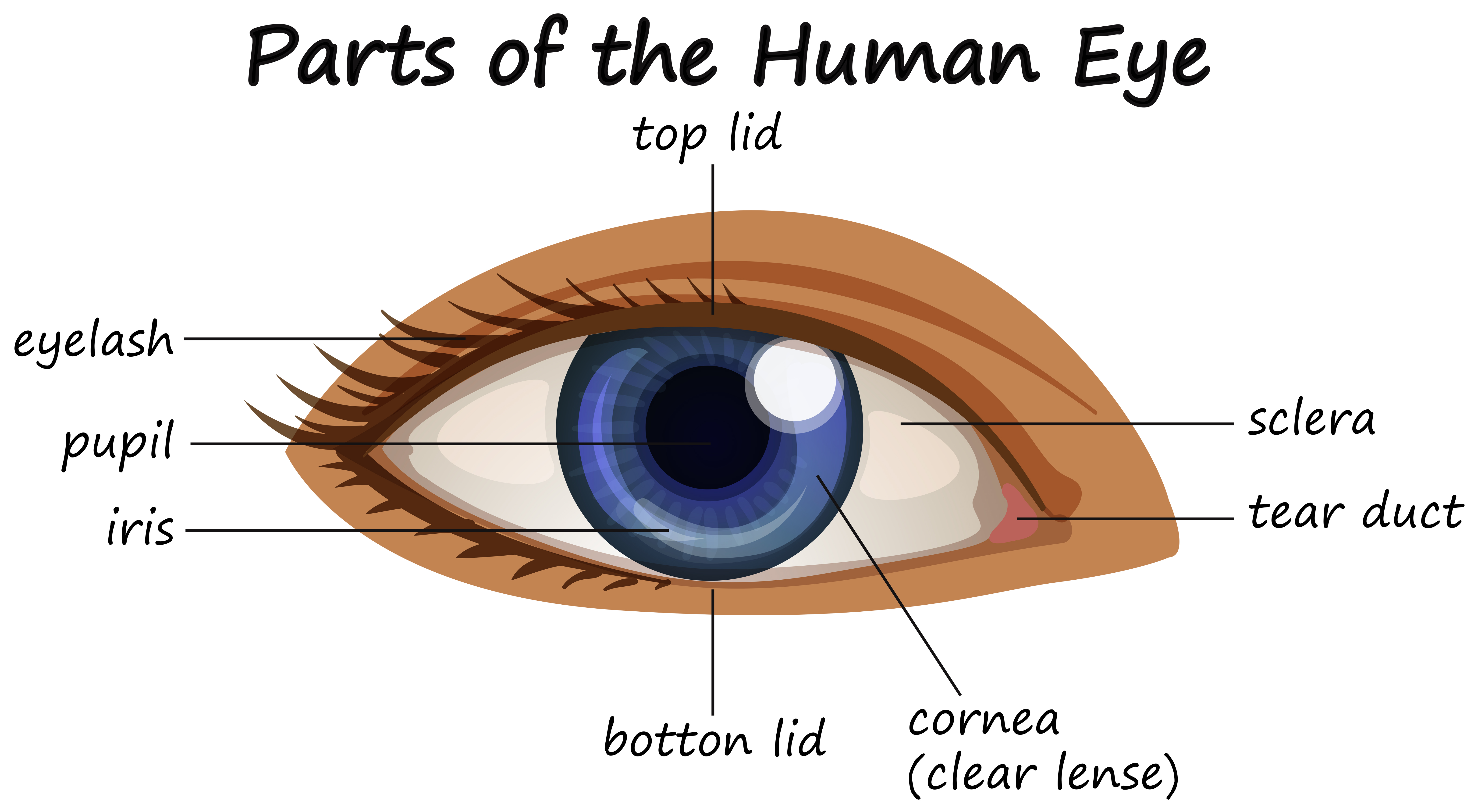
Structure Of Eye Diagram With Label Koibana Eyeball

Parts Of Eye With Diagram The Eye
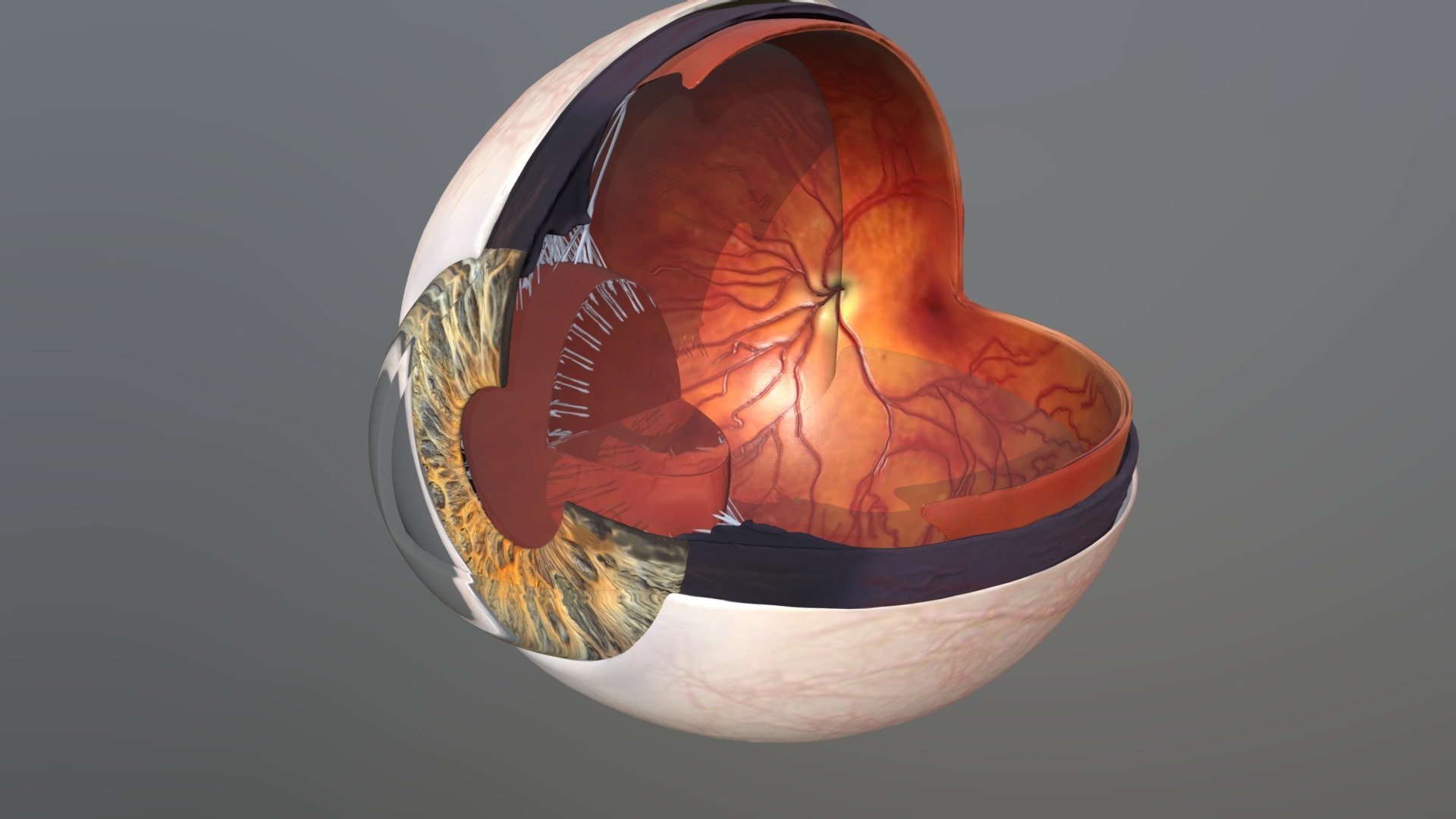
Human eye anatomy 3D model by humantouchillustration [1a23ab8
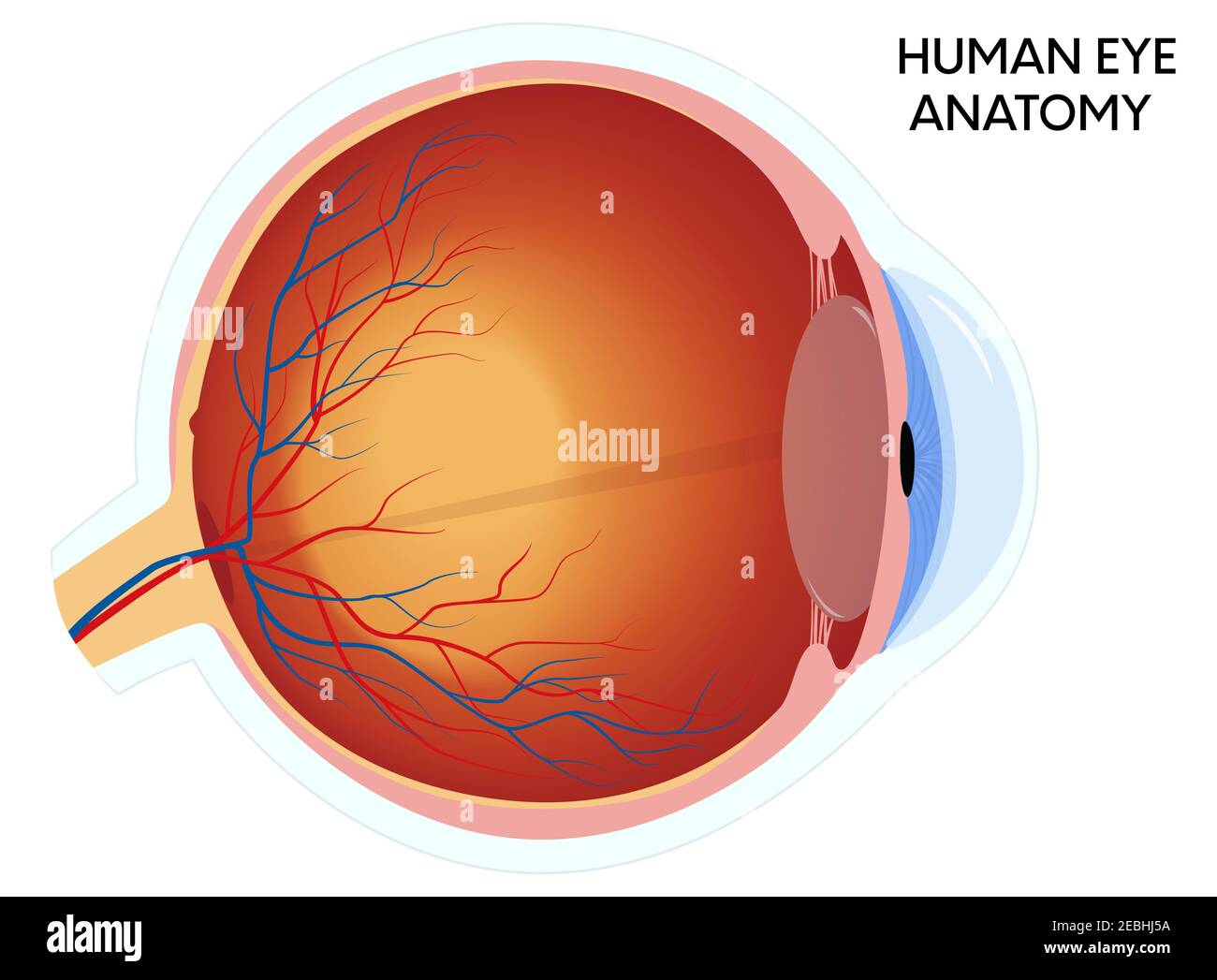
Internal Eye Anatomy Model

Eyes Key Stage Wiki

Eye Stock Image C043/4028 Science Photo Library
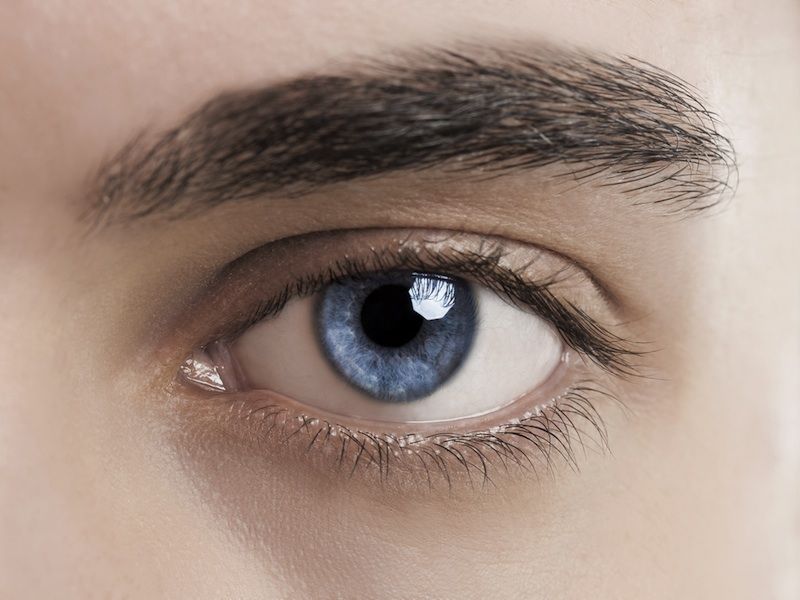
How the Human Eye Works Live Science

Eye Definition, How does it Work, Anatomy, and Functions
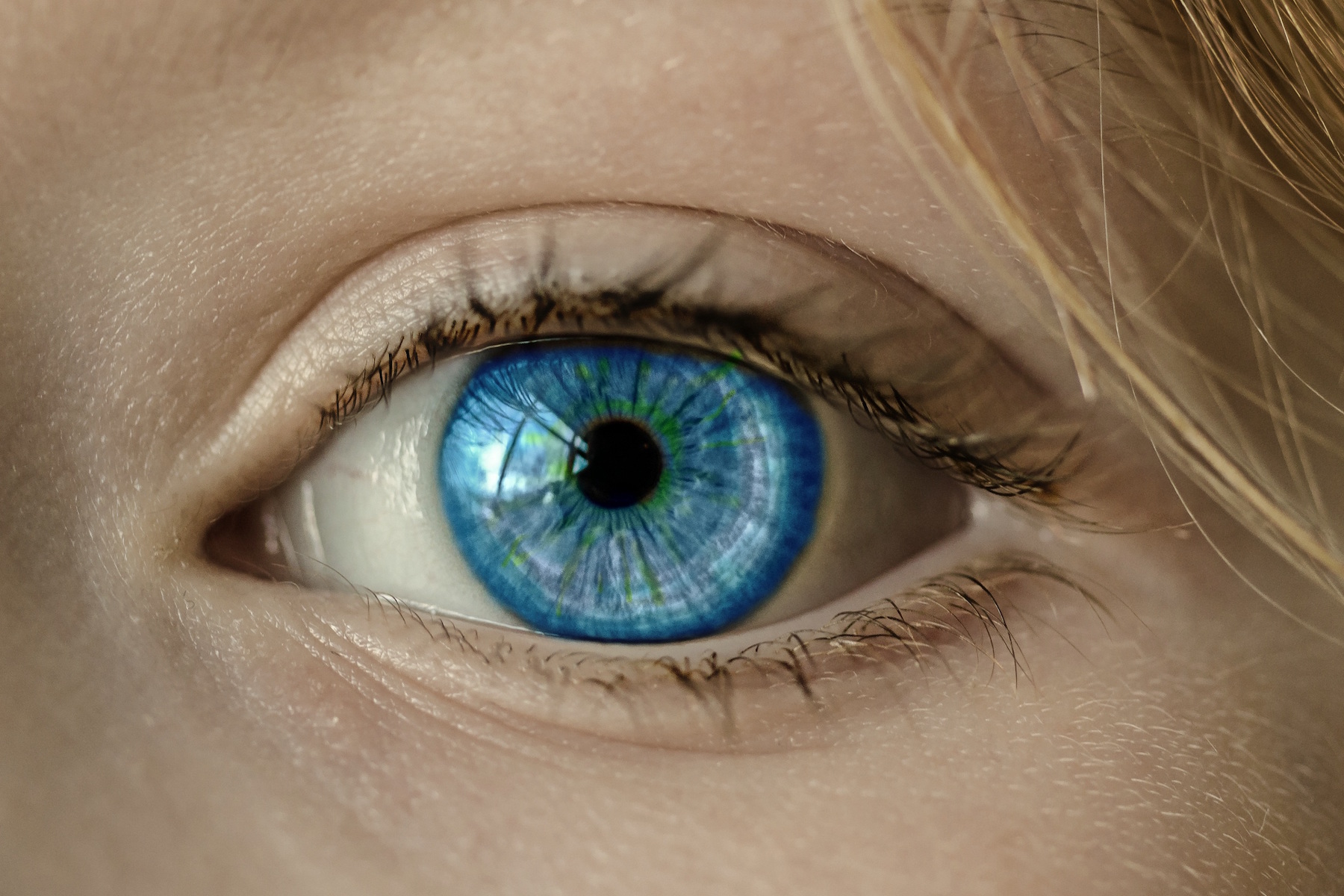
Eyes Explained How Eyes Work Vision Surgery and Research Centre
Eye
/eye-close-up-173505157-5a26c6a3e258f8003b57da63.jpg "Human Eye Anatomy Structure And Function Free Printable Worksheet")
Human Eye Anatomy Structure And Function Free Printable Worksheet
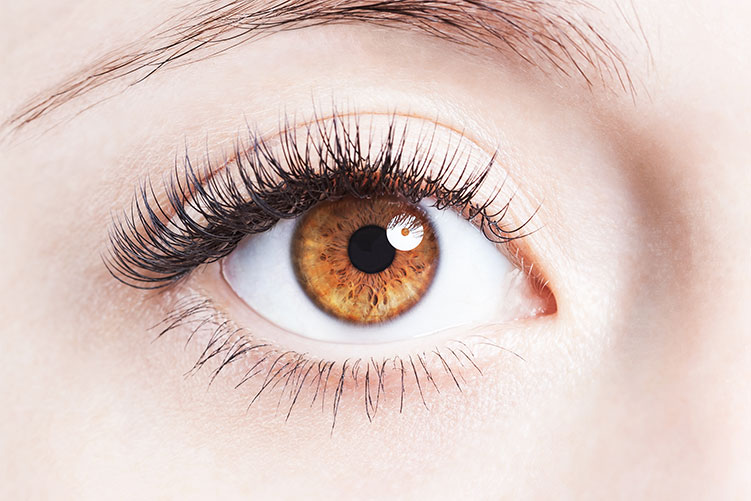
Introduction To The Eye Weiss’ Dickson Eye Health
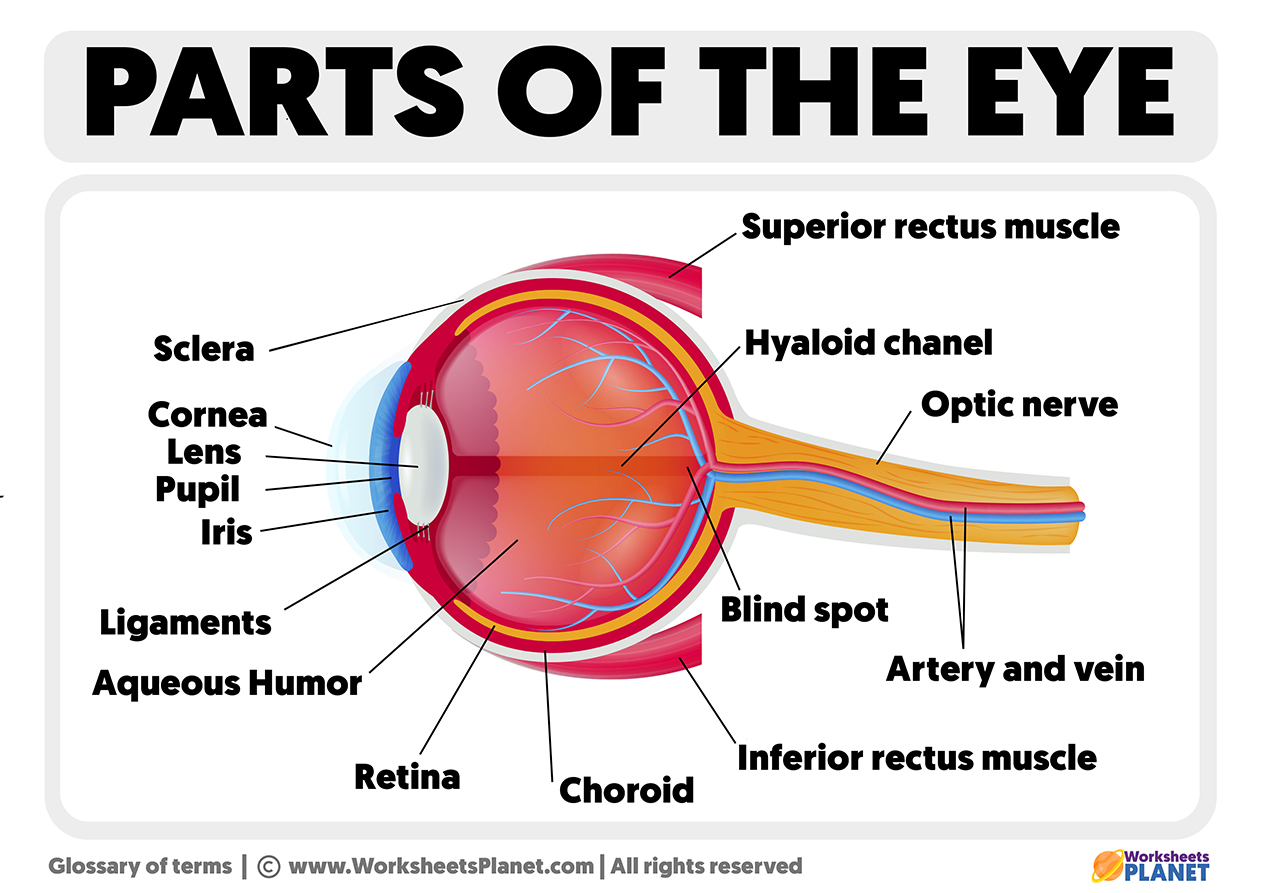
Parts of the Eye
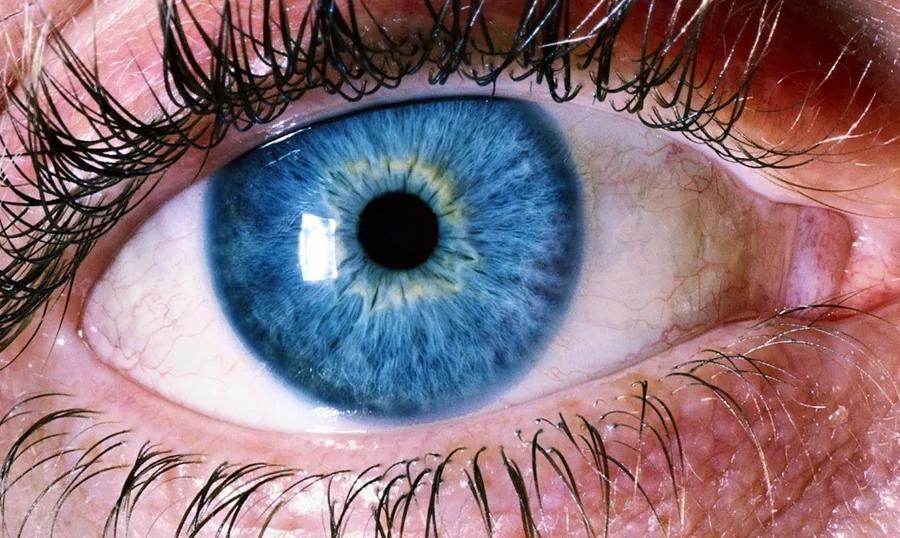
Read Insights about How the Eye Works from Auckland Eye
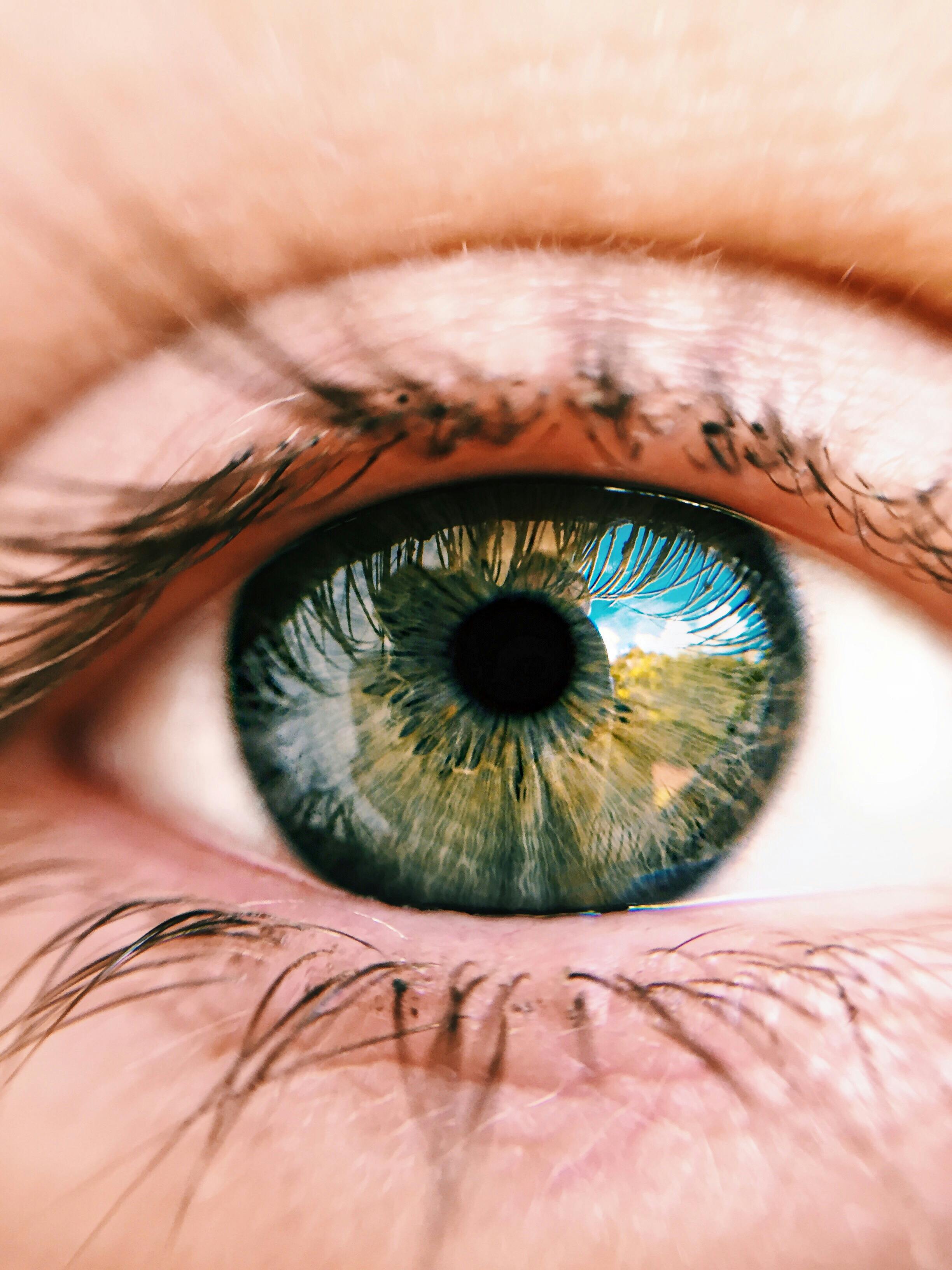
200+ Eye Photos · Pexels · Free Stock Photos

The meaning and symbolism of the word «Eye»
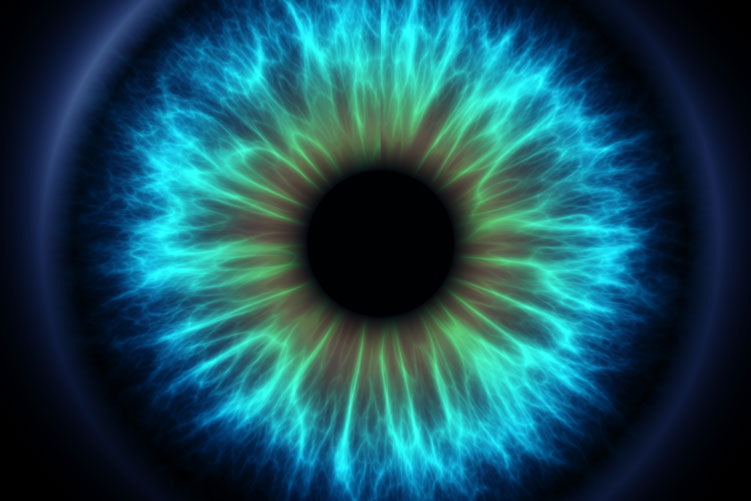
How The Eye Works Fremont Eye Care
Eye
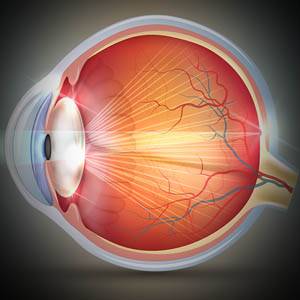
Top 4 Tips to Relax Your Eyes
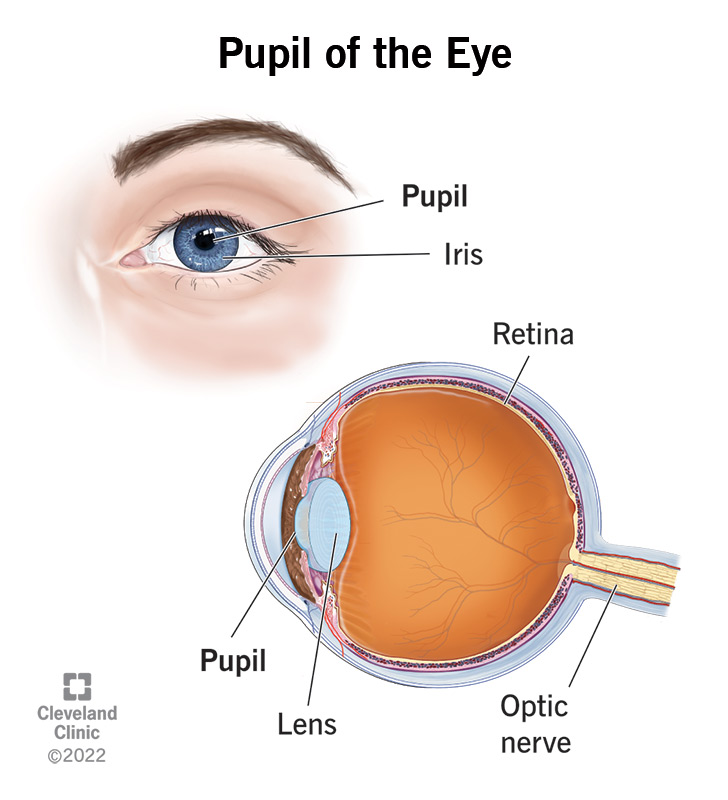
Pupil of the Eye Definition, Anatomy & Function
Seeing rainbows in your eyes often occurs as a response to bright lights at night, but it can also indicate a problem with your eyes or vision. Learn about what causes rainbow vision.. What Causes Kaleidoscope Vision? A visual migraine usually causes kaleidoscope vision. This causes your brain’s nerve cells to fire erratically, causing pain, aches, and visual disruptions. They’re different from retinal migraines, which happen in one eye and cause scintillations or scotomas. However, retinal migraines can also cause kaleidoscope vision, alongside temporary vision loss.