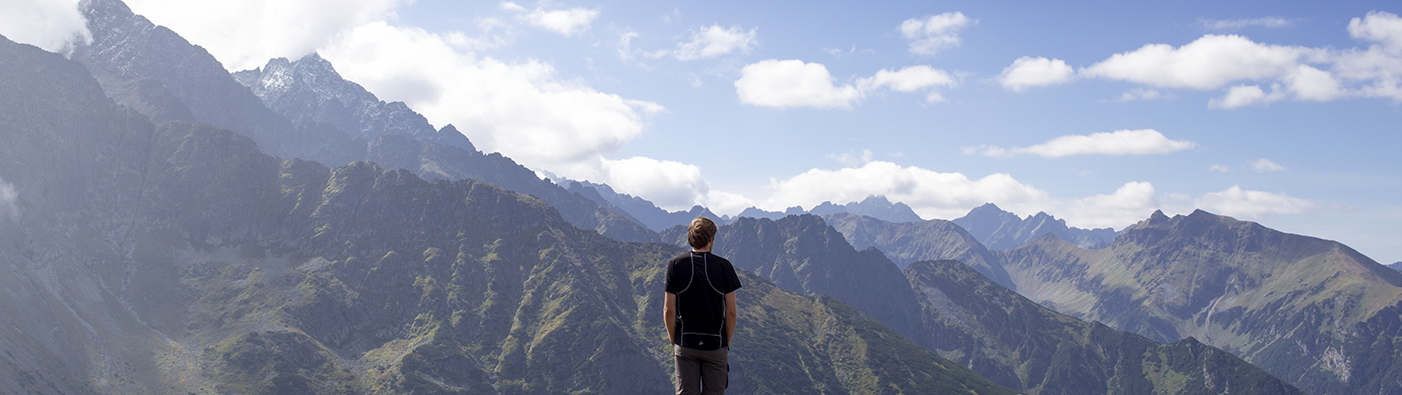
Clouds Form Due to Mountains When the wind blows across a mountain range, air rises and cools, and clouds can form. CMMAP Some clouds form when air encounters a mountain range or other types of terrain.. This cloud water is an important component of mountain ecohydrology. Earlier work at sites around the world indicated that cloud immersion both deposits water and suppresses evapotranspiration losses in mountain forests, leading to a net increase in sustainable water supplies.

Colorful Cloud Wallpaper

Free Images sea, nature, horizon, cloud, sky, sunlight, daytime
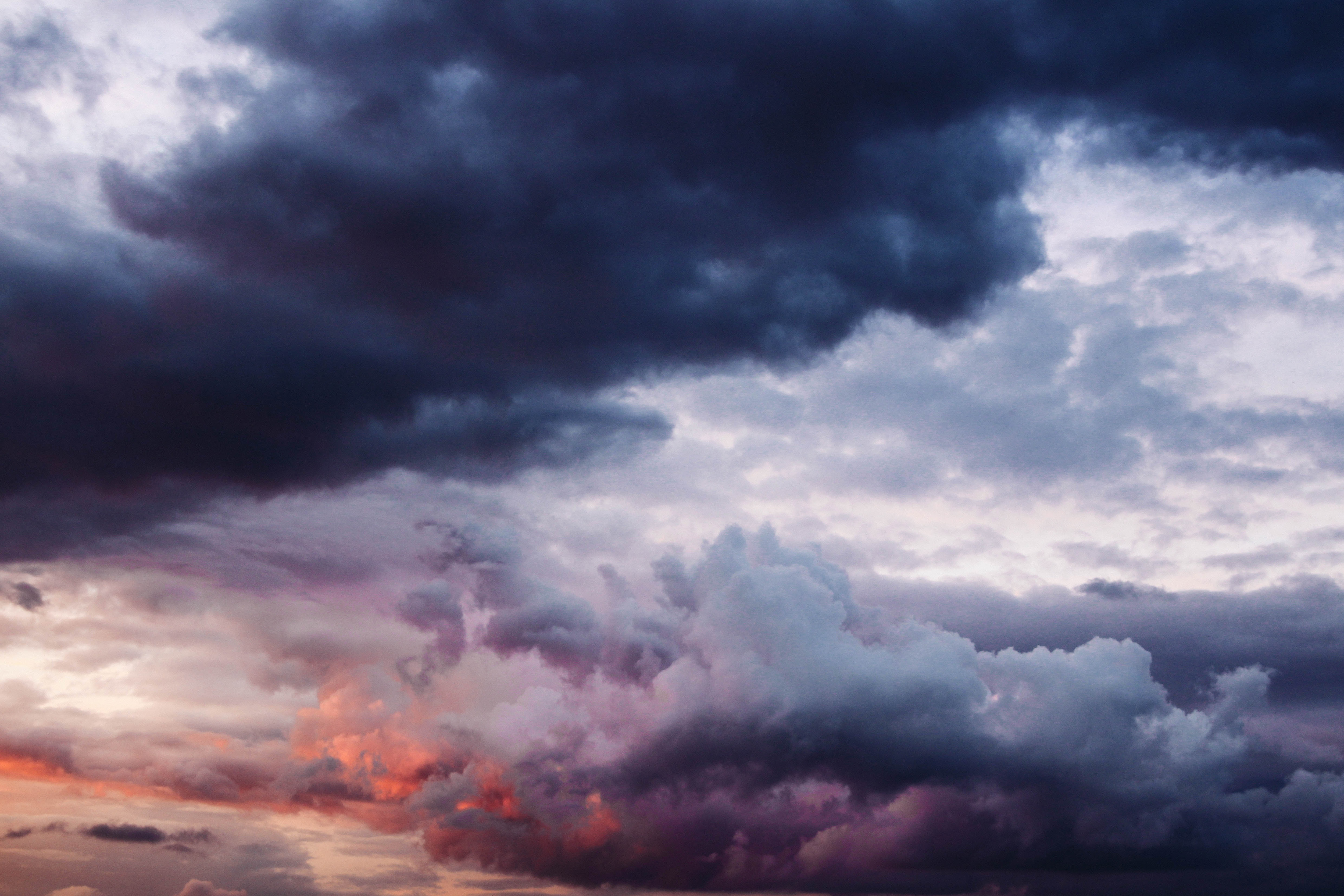
Moody Storm Clouds RoyaltyFree Stock Photo

Cloud Images · Pexels · Free Stock Photos

Explore 846+ Free Ai Clouds Illustrations Download Now Pixabay

The cloud Artofit
![[100+] Clouds 4k Wallpapers](https://wallpapers.com/images/hd/clouds-4k-4y7kl2qe79x3lcxi.jpg "[100+] Clouds 4k Wallpapers")
[100+] Clouds 4k Wallpapers
What Are Clouds? Smithsonian Science Education Center

Blue Sky With Clouds Wallpaper (56+ images)
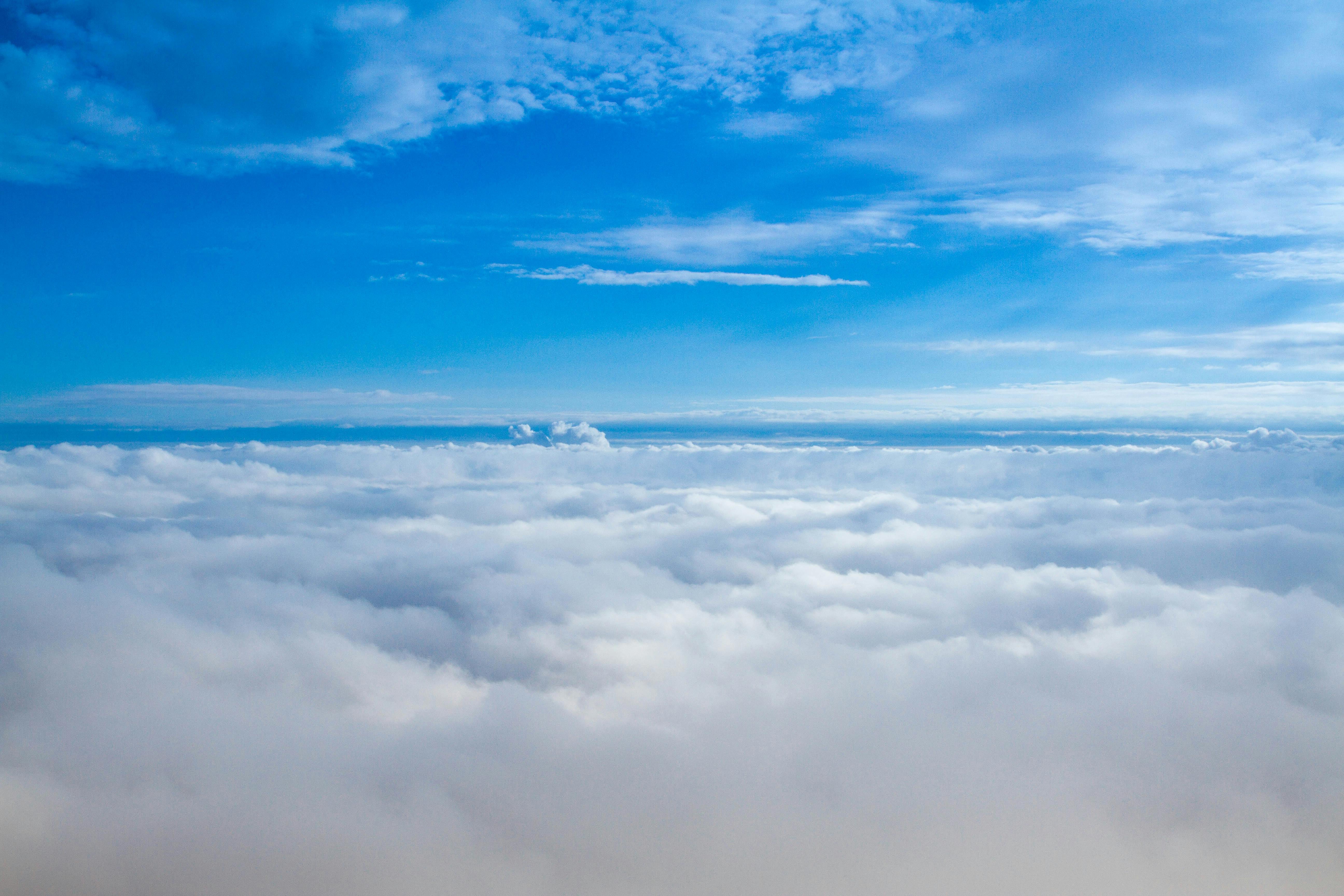
Aerial View of Clouds · Free Stock Photo
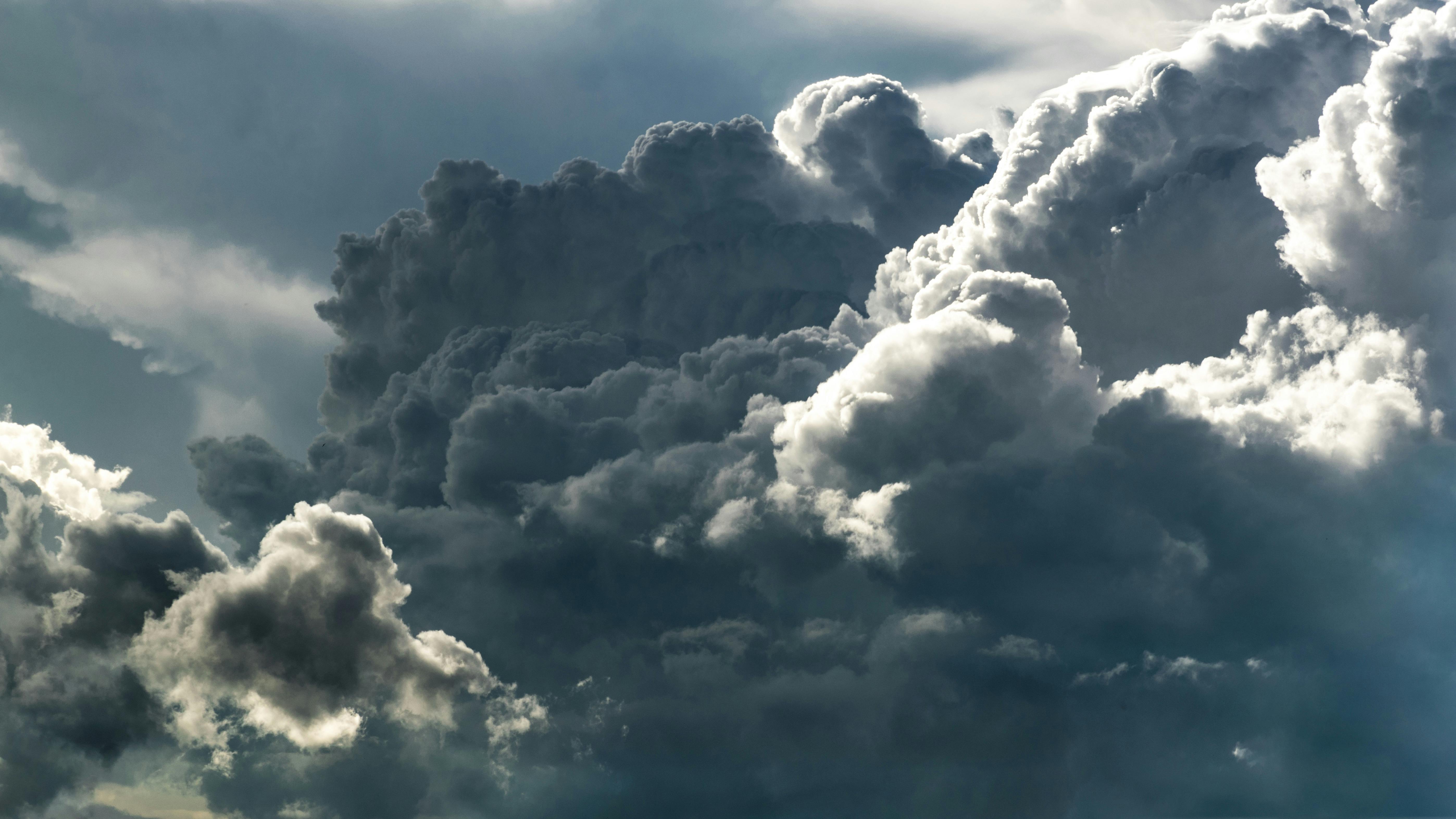
1000+ Amazing Storm Clouds Photos · Pexels · Free Stock Photos

24 Types of Clouds (Facts, Photos and Chart) Outforia
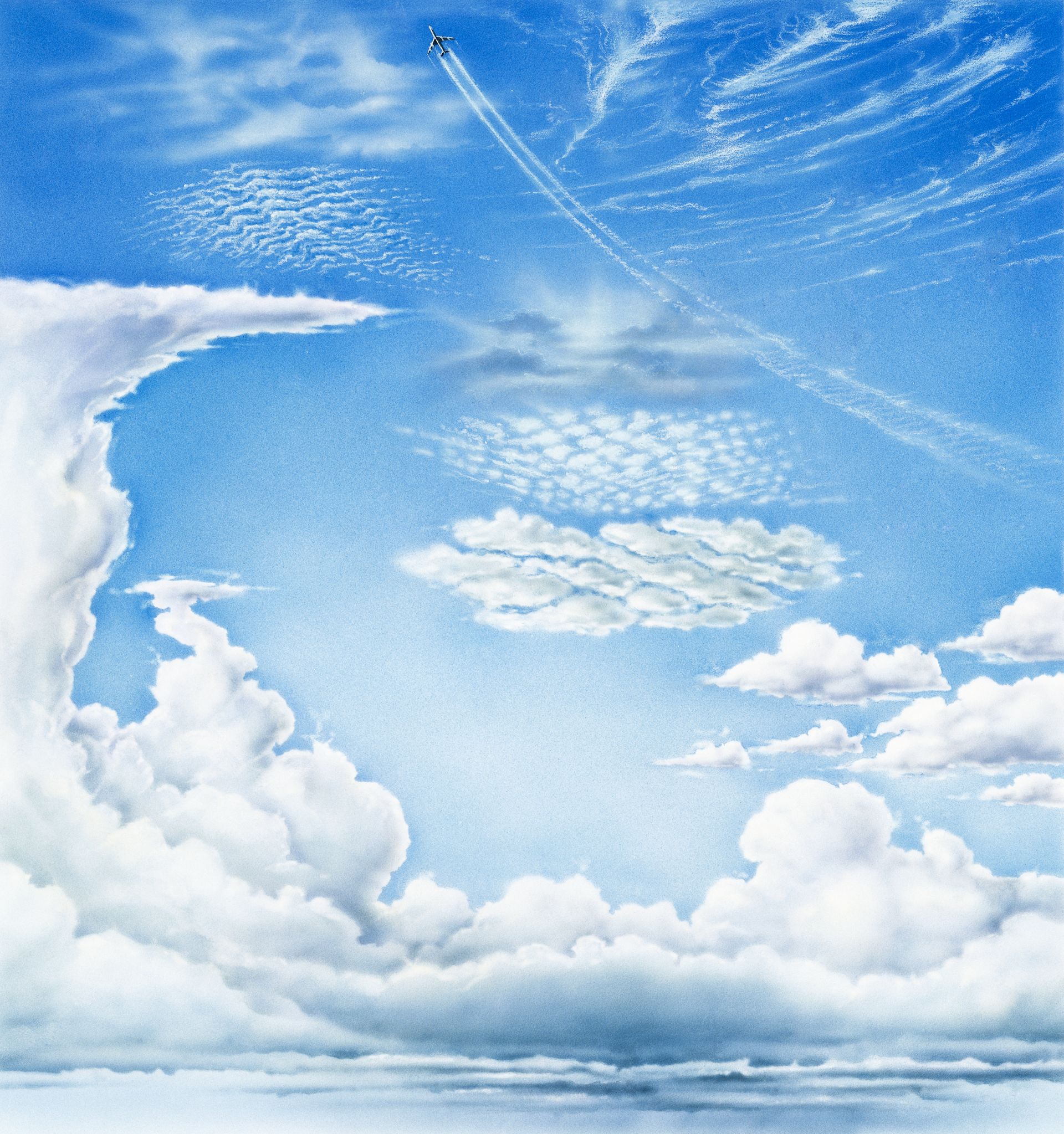
What Are Clouds Types Of Clouds DK Find Out

Ecstatic Adventures of the Exuberant Bodhisattva August 2015
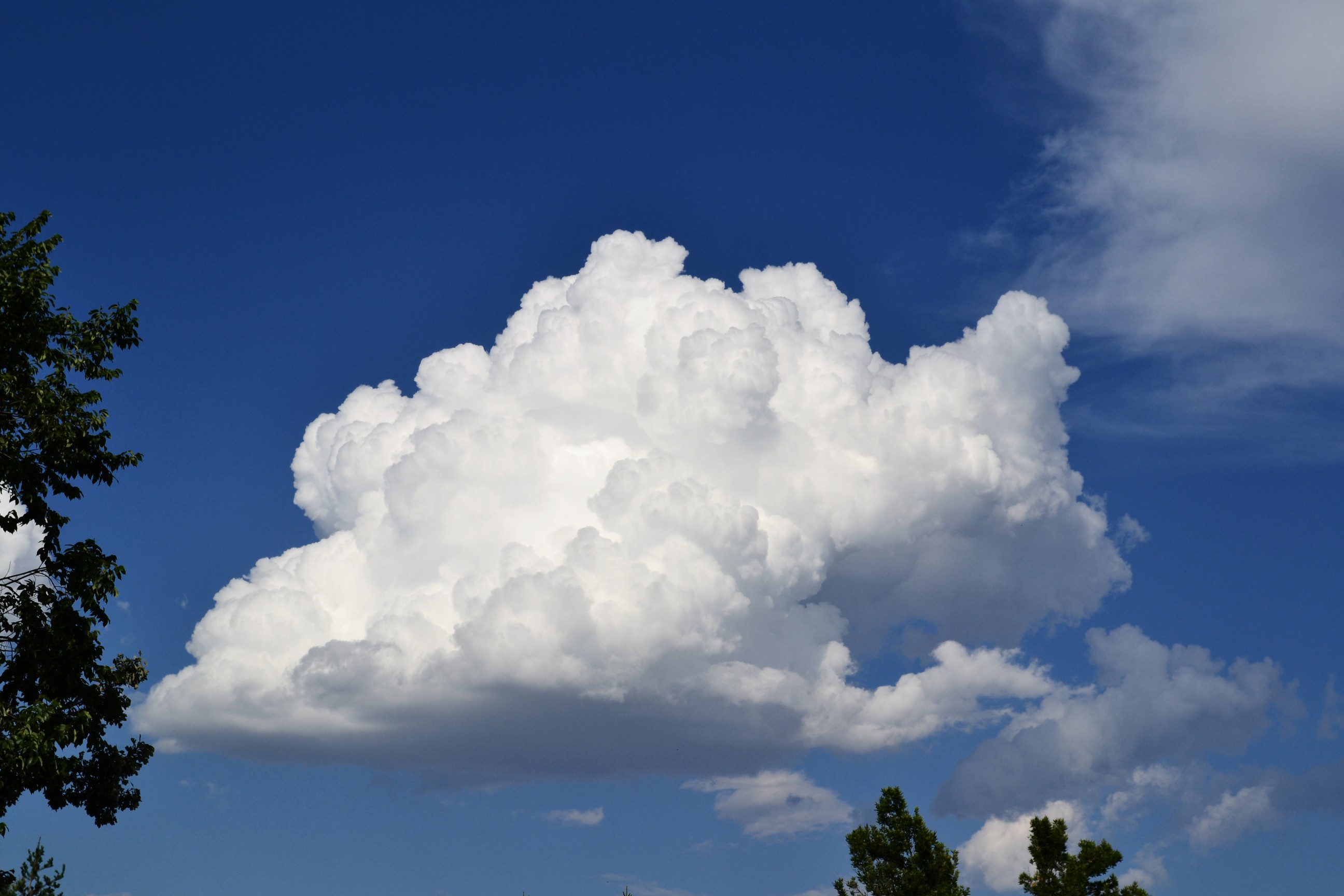
cumulus définition What is
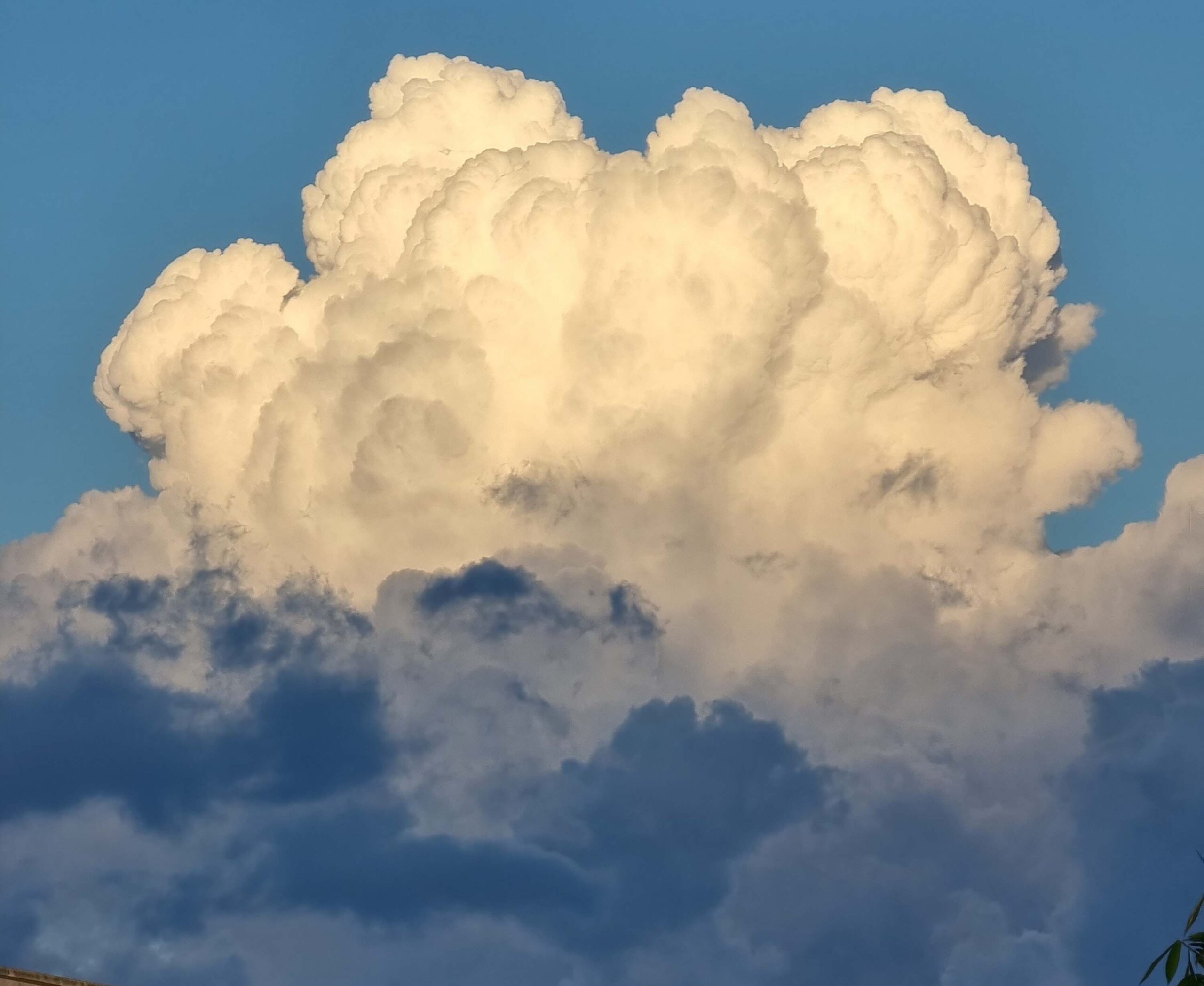
Cumulostratus Clouds
![🔥 [70+] Blue Sky with Clouds](https://cdn.wallpapersafari.com/34/24/W7km3i.jpg "🔥 [70+] Blue Sky with Clouds Wallpapers WallpaperSafari")
🔥 [70+] Blue Sky with Clouds Wallpapers WallpaperSafari

Cloud Wallpaper For Pc at Edna Steele blog
/GettyImages-482252-001-570a81d93df78c7d9edc0d78.jpg "The 10 Basic Types of Clouds and How to Recognize Them")
The 10 Basic Types of Clouds and How to Recognize Them
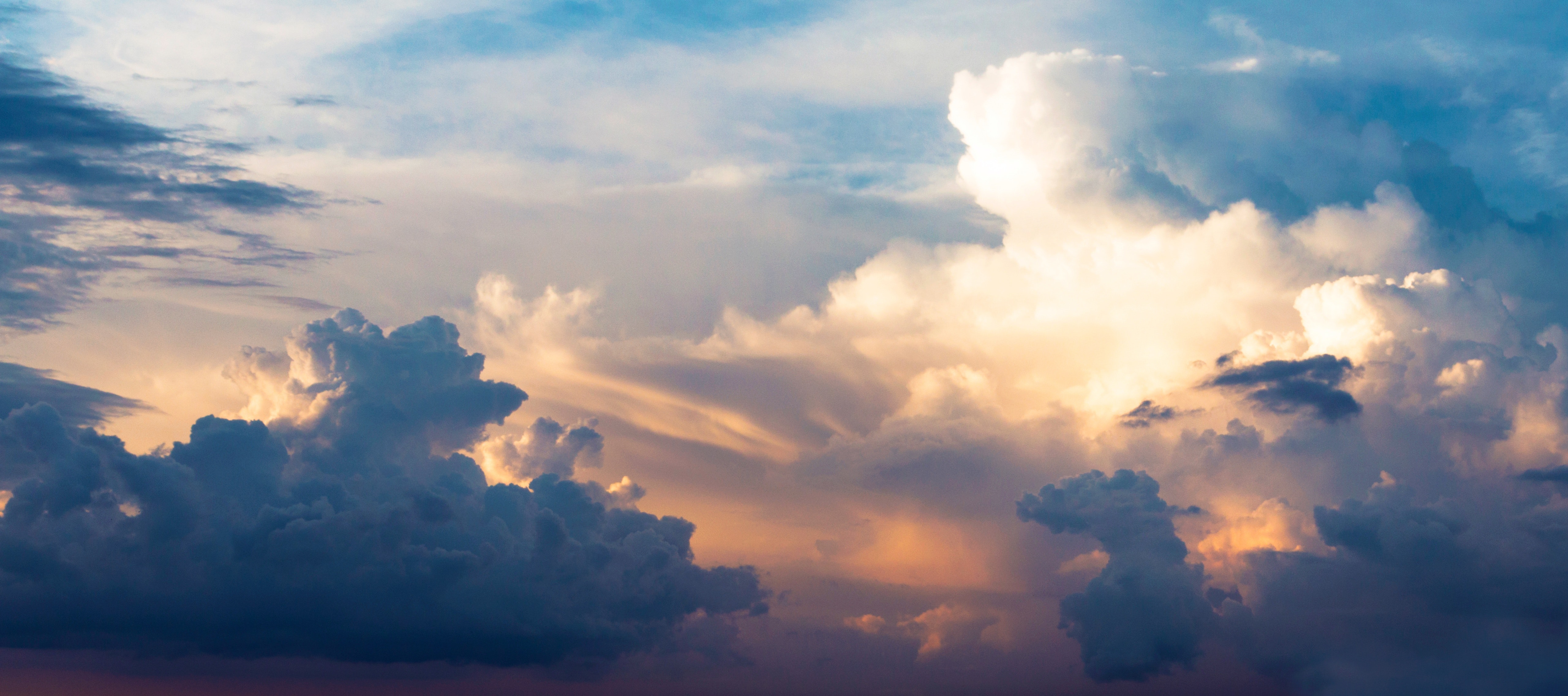
Free photo Cloudy sky Blue, Clouds, Skies Free Download Jooinn
Lenticular clouds are lens-shaped formations that form over mountains when moist air cools and condenses, creating smooth, often UFO-like cloud patterns.. Why Do Clouds Almost Always Cover the Tops of Some Mountains? When the wind blows across a mountain range, the side of the mountains where the wind starts is called the windward side. When this happens, the air will rise and cool, and this cooler air can no longer hold all the water vapor it could hold when it is warm, and clouds can form. The simultaneous increase in elevation and drop in.