
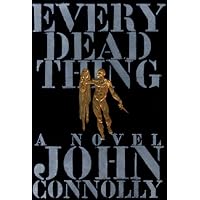
John Connolly’s “Every Dead Thing” introduces readers to Charlie Parker, a former New York City detective whose life is irrevocably altered after the brutal murder of his wife and daughter. Parker, haunted by his past, becomes a private investigator, drawn into a world filled with darkness, supernatural elements, and moral ambiguity. This character analysis explores Parker’s complex persona, motivations, struggles, and the themes that define his journey throughout the novel.
The Tragic Backstory of Charlie Parker

At the heart of Charlie Parker’s character lies a tragic backstory that shapes his motivations and actions. The violent loss of his family serves as the inciting incident that propels him into a life of obsession and vengeance.
- Personal Loss: Parker’s wife and daughter are murdered in a gruesome act, leaving him emotionally scarred and deeply traumatized.
- Transformation from Cop to Private Investigator: The trauma leads him to abandon his career as a police officer, illustrating a shift from a figure of authority to a man seeking personal justice.
- Haunted by Guilt: Parker’s guilt over his inability to protect his family manifests throughout the novel, driving him to confront the darkness that surrounds him.
The Complexity of Charlie Parker’s Character

Charlie Parker is not a conventional hero; rather, he embodies the archetype of the anti-hero, marked by his moral ambiguity and inner demons. His complexity is defined by several key traits:
- Determination: Parker is relentless in his pursuit of truth, often at great personal risk. His determination pushes him into dangerous situations, showcasing his willingness to confront evil head-on.
- Isolation: The trauma of his past isolates him from others, leading to strained relationships with friends and allies. This isolation underscores his internal struggle and reinforces the themes of loneliness and despair.
- Supernatural Awareness: Parker is acutely aware of the supernatural elements that permeate the narrative. This awareness adds layers to his character, suggesting that he operates in a world where good and evil are not easily defined.
Moral Ambiguity and the Search for Justice
Parker’s journey is marked by a quest for justice that often blurs the lines between right and wrong. This moral ambiguity is central to his character and the overarching themes of the novel.
- Vigilante Justice: Parker often resorts to vigilante methods, demonstrating a willingness to break the law in order to achieve what he perceives as justice. This raises questions about the ethics of his actions and the nature of justice itself.
- Confrontation with Evil: Throughout the novel, Parker confronts various manifestations of evil, including serial killers and corrupt individuals. These confrontations force him to grapple with the consequences of his actions and the impact they have on his soul.
- The Role of Redemption: Parker’s quest is not solely about revenge; it also embodies a search for redemption. He yearns to find meaning in his suffering and to reclaim a sense of purpose in a world devoid of innocence.
Relationships and Their Impact on Parker

Parker’s interactions with other characters play a crucial role in his development and the unfolding of the narrative. These relationships reveal different facets of his character and underscore the themes of companionship and betrayal.
- Friendships and Allies: Characters such as Louis and Angel serve as Parker’s friends and allies, providing moments of levity and camaraderie amidst the darkness. Their loyalty highlights Parker’s human side and his need for connection.
- Strained Family Dynamics: Parker’s relationship with his remaining family members is fraught with tension. His inability to communicate his grief and pain creates barriers that further isolate him.
- Antagonists: The villains in “Every Dead Thing” serve not only as physical threats but also as representations of Parker’s internal struggles. Their confrontations with him force Parker to confront his fears and motivations.
Thematic Elements in Parker’s Journey
The journey of Charlie Parker is rich with thematic elements that resonate with readers on multiple levels. These themes not only enhance the narrative but also deepen our understanding of Parker as a character.
- Grief and Trauma: The novel explores the profound effects of grief and trauma on Parker’s psyche. His experiences reflect the universal struggle of coping with loss and finding a way to move forward.
- Good vs. Evil: Parker’s encounters with various characters raise questions about the nature of good and evil. The moral complexities he faces challenge readers to consider the shades of gray that exist in human behavior.
- Redemption and Forgiveness: As Parker navigates his quest for justice, the themes of redemption and forgiveness emerge. His journey suggests that healing is possible, but it often requires confronting painful truths.
The Enduring Impact of Charlie Parker

Charlie Parker, as depicted in John Connolly’s “Every Dead Thing,” is a richly layered character whose journey of loss, vengeance, and moral ambiguity captivates readers. His transformation from a grieving husband and father to a relentless seeker of justice illustrates the profound impact of trauma on the human spirit. Through Parker, Connolly explores themes of grief, redemption, and the struggle for meaning in a world filled with darkness.
Ultimately, Charlie Parker’s character serves as a reflection of the complexities of human nature, reminding readers that the search for justice is often fraught with moral dilemmas. As Parker continues to navigate his haunted past and the shadows of his present, he embodies the timeless struggle between good and evil, making him a compelling figure in contemporary literature.